
Women leading health protection from climate change
SHE CAN- Strengthening Health Equity Climate Action Network
SHE CAN is a community-led evidence to action network driving forward transformative change to protect the health of women and girls across the Asia Pacific from a changing climate, for the benefit of all.
It brings together women, governments, activists, civil society organisations, and health system actors from across the Asia Pacific region to strengthen systems for the collection and use of sex-disaggregated climate-health risk and impact data towards more evidence-based and equitable policy interventions that target investment where it is needed most.
At a critical moment for climate adaptation and mitigation across the region, SHE CAN ensures that the voices, experiences, and priorities of women and girls are not only heard but embedded into the decisions that shape their future.
Help protect the health of women and girls on the frontlines of climate change.
Your support will amplify women's leadership in designing climate solutions, strengthen health system resilience, and influence national adaptation policies and their local implementation plans that can save lives and improve wellbeing for generations to come.
Why SHE CAN matters
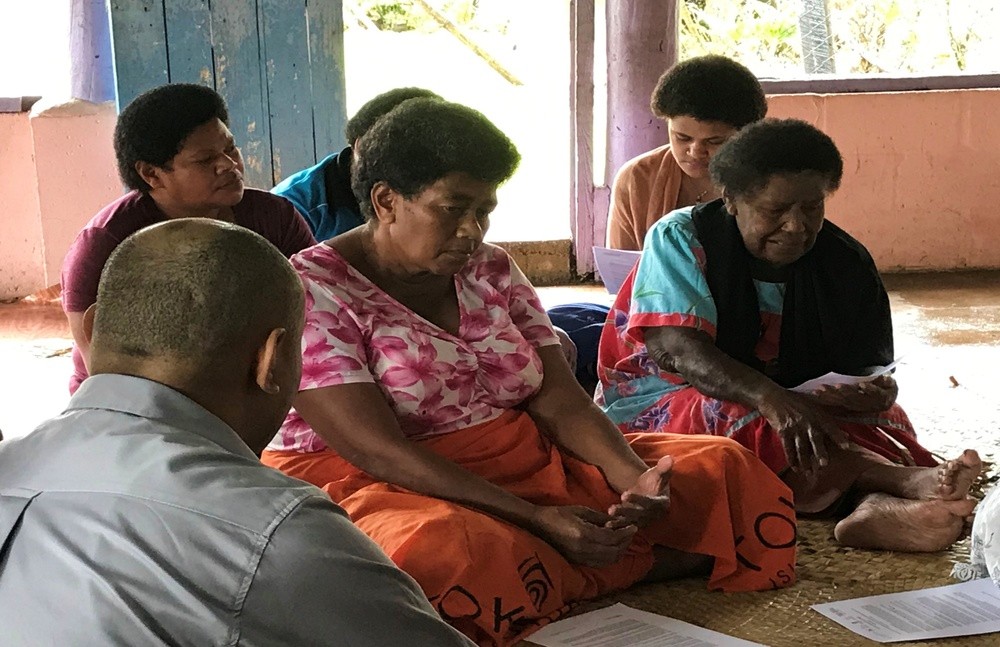
Climate change is already transforming lives across the Western Pacific region, but impacts are not experienced equally.
Women and girls face disproportionate and compounding health risks as a direct consequence of different climate and environmental exposures, including:
- Increased maternal and neonatal complications
- Greater exposure to water-borne and vector-borne diseases
- Rising food insecurity and malnutrition
- Disruptions to essential health services
- Increased risk of gender-based violence
- Poorer health outcomes for those with chronic disease
- Heightened caregiving burdens and mental health strain
Despite these realities, the gendered health impacts of climate change remain largely invisible in policymaking.
Across the region, gender-disaggregated health data is rarely integrated into climate adaptation planning, while women's perspectives continue to be underrepresented in policy discussions. The result is climate policies that are often neither informed by women nor designed to address the disproportionate risks they face.
Today, a rare and closing policy window is open to make a difference.
Announced at COP30 in late 2025, The Belem Gender Action Plan presents a long-term framework for all UN-member states to integrate gender equality into climate policy and a crucial policy mechanism for accelerating ambitious, effective, and inclusive climate action climate.
This paves a pathway for meaningful progress on increased awareness of the 'what' and 'why' in gender-transformative climate/health action, though scant guidance has been provided on the 'how'. This is where SHE CAN can help.
What makes SHECAN different
SHE CAN is a feminist, locally-led multidisciplinary network designed to shift power, strengthen evidence to policy pipelines, and deliver lasting change.
Locally-led and feminist by design
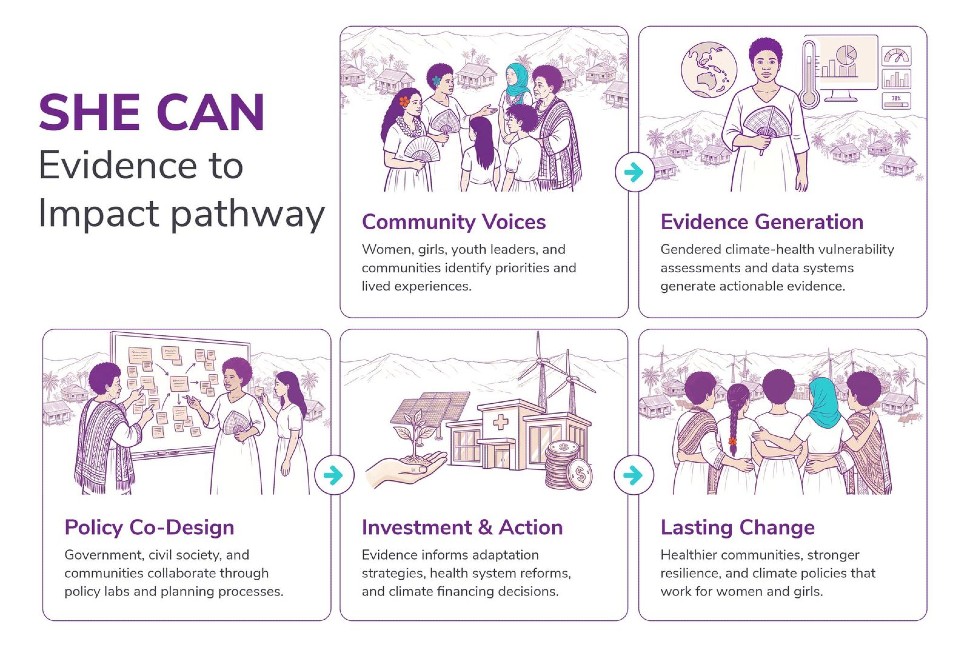
Women, girls, youth leaders, and communities are collaborators and decision-makers throughout the evidence to action process and have co-designed our SHE CAN theory of change since Day 1.
Through feminist participatory action research, communities help define priorities, interpret findings, and co-create solutions.
Making women's health visible
SHE CAN supports the development of comprehensive, context-specific and gendered climate-health vulnerability assessments across the Western Pacific, addressing a critical evidence gap.
Turning evidence into action
Community-generated evidence will feed directly into policy development, adaptation planning, and economic investment cases that demonstrate both the social and economic benefits of protecting women's health.
Embedded in decision-making
National Ministries of Health, provincial authorities, and regional climate partners are involved from the outset, creating a direct pathway from evidence to policy, budgeting, and implementation.
Strengthening feminist infrastructure
Rather than creating parallel systems, SHE CAN partners with trusted regional networks and women-led organisations, strengthening long-term leadership, advocacy, and feminist-driven action.
Grounded in culture and care
The network is grounded in an appreciation and respect for local knowledge and ways of doing and prioritises above all local leadership, respect in traditional protocols, and local ownership of the work.
Find answers to common questions about SHE CAN's work to strengthen women's leadership, health, and resilience in a changing climate.

How SHE CAN creates change
SHE CAN works across leadership, evidence, and policy to ensure women and girls are at the centre of climate-health action.
We strengthen women's leadership and participation in climate-health decision making. SHE CAN will:
- Support women-led and youth-led climate-health advocacy
- Deliver leadership and capacity-building programs
- Resource grassroots feminist networks and movements
- Amplify lived experience through storytelling, advocacy tools, and regional learning platforms
We generate the evidence needed to make women's health visible within climate policy and planning. SHE CAN will:
- Produce gender-disaggregated climate-health vulnerability data
- Establish sustainable evidence surveillance and monitoring systems
- Strengthen institutional capacity within health ministries and government agencies
- Ensure data is actively used to inform planning and investment decisions
We connect community priorities to policy reform and investment decisions. SHE CAN will:
- Convene multi-sector participatory policy labs -bringing together communities, government, and civil society
- Support the integration of women's health priorities into national adaptation, mitigation, and disaster preparedness plans
- Develop investment cases and associated decision support tools demonstrating the economic value of gender-responsive climate-health action
- Advocate to influence climate finance flows toward equitable, evidence-based gender-transformative solutions
What is our impact pathway
FAQs
Climate change and environmental extremes, such as extreme heat, high ambient air pollution, cyclones, flash flooding, and bushfires have a strong mediating impact on the health of all those exposed to varying degrees, and this is especially so for women bare a disproportionate health burden. The health impacts of climate change affect every bodily system, and indeed women are 14% more likely to die in a climate emergency compared to men. Rates of violence against women increases exponentially for every one degree above seasonal average. Pregnant women are at a higher risk of poor birth outcomes during acute and prolonged periods of environmental extremes. Poor mental health after a climate emergency is more common in women. Women and girls face higher exposure to and poorer outcomes from water and vector-borne infectious diseases that increase during and after flooding. Women with heart disease, kidney disease, and diabetes also appear to be at high risk of worse health outcomes during environmental extremes.
Climate change is an amplifier of inequity. Existing social, cultural, and economic inequalities often place women at greater risk of worse climate-mediated health outcomes. There is also some evidence that females are more biologically at-risk of poor health outcomes during certain environmental extremes, such as post-menopausal women being at higher risk of heat related illness and death during heatwaves, or young girls having a higher likelihood of urinary tract infections during flooding or of child marriage after environmental disasters.
Extreme heat negatively impacts every bodily system – placing particular strain on the brain, cardiovascular system, and kidneys. Women appear to be at a higher risk of heat-related illness and death compared to men, where extreme heat exposure has been shown to increase the risk of dehydration, heat related illness, heart stress, and kidney stress. Extreme heat is also a trigger for gender-based violence against women. Women who are pregnant are at particularly high risk, where prolonged heat exposure is associated with increased risk of miscarriage, stillbirth, and pre-term labour.
Climate change can reduce crop yields, disrupt food supplies, and increase both droughts and floods. These impacts make it harder for communities to access safe, nutritious food and clean water, affecting health, livelihoods, and wellbeing. When such resources are scarce, it is often women who are the first to go without. Women are often responsible for securing water and food for their families, and having to travel further for these resources also puts women’s safety at an elevated risk.
Climate resilience is the ability of people, communities, and systems to prepare for, adapt to, and recover from climate-related challenges while protecting health, livelihoods, and wellbeing. It is the power to withstand adversity.
Women bring invaluable knowledge, leadership, and lived expertise from the frontlines of communities experiencing the detrimental impacts of a changing climate. Their participation in climate action helps create more effective, equitable, and sustainable solutions for their communities and future generations.
Women are leading climate solutions by bringing diverse peoples together, driving community-led initiatives that build resilience and enhance health protection, sharing information and knowledge, and advocating for greater equity and social inclusion in climate and health policy to ensure that no one is left behind.
SHE CAN has received early seed funding from the University of New South Wales (UNSW) Generating Research Impact Award and the Asian Development Bank Pacific office to facilitate co-design and early collaborative activities. The network is now actively seeking donor partners and investment to catalyse on this important groundwork and scale program activities.
SHE CAN is participatory by design
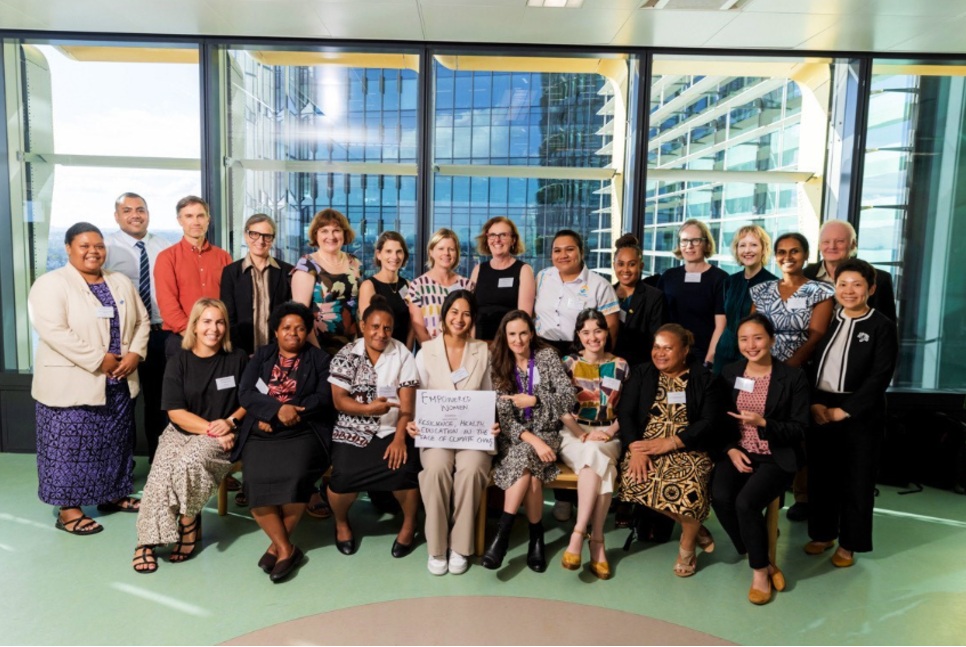
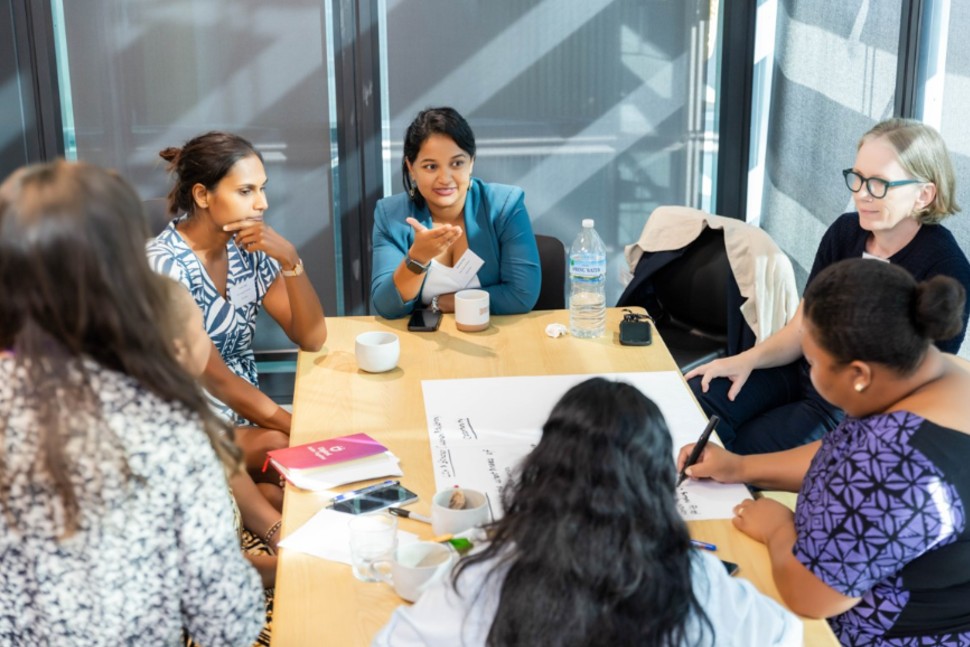
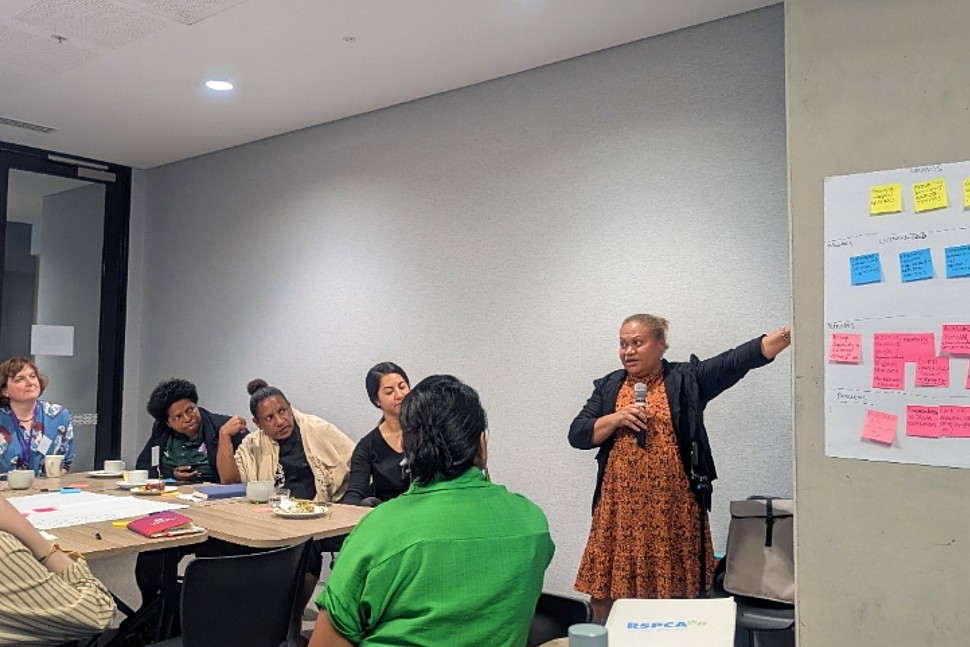
SHE CAN and its underlying theory of change has been co-designed by over 50 government representatives, feminist organisations, healthcare practitioners, and feminist advocates from across the Asia Pacific region. Conceptualised from the outset by women for women and the greater communities that they represent.
How can you join us
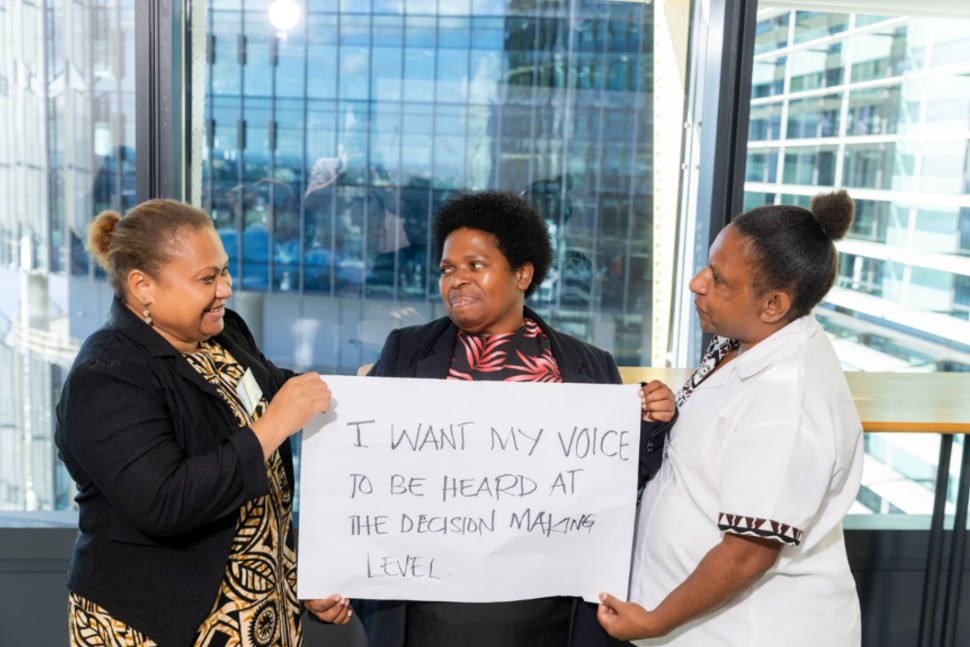
Stand with Western Pacific women at a critical turning point.
The decisions being made today will shape climate resilience and health outcomes for generations.
Together, we can ensure women's health is no longer invisible in climate action and that future climate policies are grounded in justice, equity, care, and lived experience.
Partner with SHE CAN. Amplify women's voices. Strengthen climate resilience. Transform policy.
Related links
Women Deliver 2026: Connecting Climate, Chronic Disease and Gender Equality
Advancing human health in the era of climate change and planetary health
Laura Downey Full Presentation The George Institute for Global Health Changemakers 2026
Why women must lead climate and health solutions as we head towards COP31
Power to the people: towards greater social participation in planetary health
Rising seas may threaten 1.5m Australians by mid-century as heat deaths quadruple, report finds
Unequal Tempests: Climate Change’s Disproportionate Toll on Women