
Tackling high blood pressure - Prevent, Detect and Treat
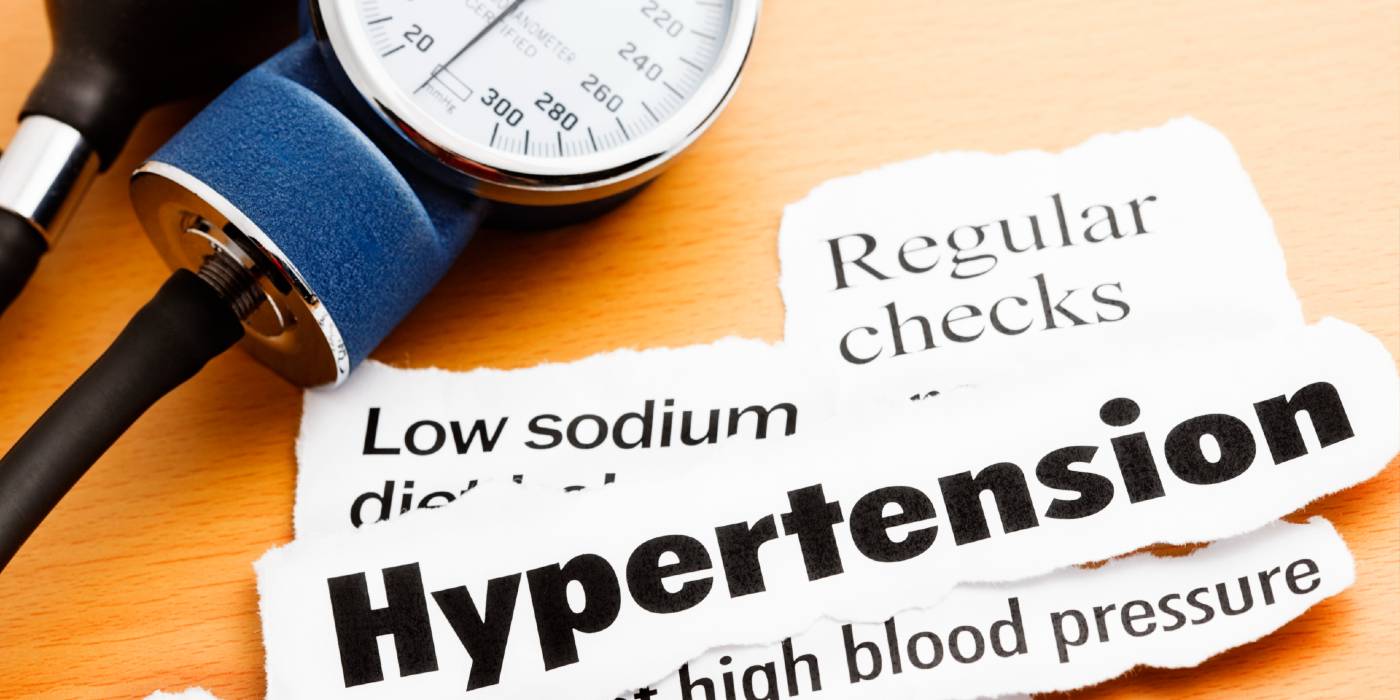
High blood pressure (hypertension) is the leading preventable cause of death, driving millions of heart attacks, strokes and cases of dementia and kidney disease every year. It occurs when the pressure in the blood vessel walls is consistently too high and may be driven by behaviours we can change (e.g. diet, alcohol intake and inactivity) and factors we cannot (e.g. family history, age and ethnicity). Certain medical conditions may also increase the chance of developing high blood pressure, such as obesity, diabetes and kidney disease.
Despite the serious risks, high blood pressure is often overlooked. It’s called a ‘silent killer’ as there are usually no symptoms. Around 1.4 billion adults are living with high blood pressure globally - around three-quarters in low- and middle-income countries - yet an estimated 600 million people don’t even know they have it.
Without action, fewer than a quarter of people with high blood pressure will ever have it under control. This crisis is solvable, but it will take more than individual behaviour change. At global and national levels, we need stronger policy, smarter public health frameworks, and equitable access to early diagnosis and care.
It’s time to PREVENT. DETECT. TREAT. From reducing dietary sodium intakes, to increasing blood pressure checks, and implementing new treatments, The George Institute’s research is tackling the global hypertension challenge at every stage.

PREVENT
Switching the world’s salt supply to low-sodium, potassium-enriched salt could prevent millions of deaths a year.
Learn more
DETECT
Boosting community-based screening means more people with undiagnosed high blood pressure can be referred for treatment.
Learn more
TREAT
Pioneering a novel combination pill can help more people gain control of their blood pressure more quickly.
Learn morePREVENT
Almost everyone eats too much salt (sodium chloride), a known driver of high blood pressure. Yet despite years of effort, most countries have not met WHO sodium reduction targets. Salt is embedded in our diets, both in food manufacturing and home cooking, making large scale change difficult to achieve. We’re also eating far less potassium from fruit and vegetables, which lowers blood pressure.
The George Institute is building the case for a switch to potassium-enriched salt as a practical, scalable solution. By replacing some sodium chloride in salt with potassium chloride, it helps reduce sodium intake and increase potassium intake, creating a dual blood pressure-lowering effect. Backed by our evidence, we’re advocating for potassium-enriched salt to be included in national hypertension strategies and clinical guidelines as a first-line measure for prevention and management.
Switching to potassium-enriched salt would be a simple everyday change with a big global health impact, preventing millions of heart attacks, strokes, and premature deaths each year. Learn more about our work to switch the global salt supply here.

Eating too much sodium causes over 1.8 million deaths a year.


DETECT
Many people with high blood pressure do not know they have it. It often has no obvious symptoms, but it can quietly damage the body over time.
Too often, diagnosis comes only after serious complications arise, such as a heart attack or stroke.
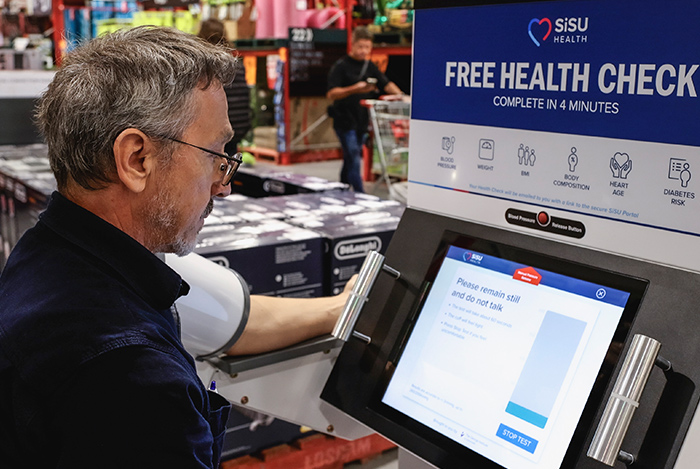
The George Institute is working to make blood pressure screening easier and more accessible, especially for high-risk populations. We are testing practical ways to bring blood pressure checks closer to communities and support faster referral to care. This includes programs such as SMARTHealth Pregnancy in rural India and the Shop-to-Stop Hypertension study in Australia.
We are calling for wider access to screening through primary health care facilities and community touchpoints. Earlier detection and diagnosis will create more opportunities to prevent complications, reduce hospitalisations and improve long-term outcomes.
44% of adults with high blood pressure are unaware they have it.

TREAT
Even when high blood pressure is diagnosed, most people still do not get it under control. Treatment can be delayed, intensified too slowly, or made harder by the need to take multiple medicines over time. As a result, millions remain at unnecessary risk of heart attacks, strokes and other serious complications.
The George Institute is leading research into new treatment approaches aimed at supporting earlier, more effective blood pressure control. This includes investigating combination therapies that bring together multiple medicines in a single pill. Studies including VERONICA-Nigeria, TRIDENT and an ongoing large-scale implementation study, are helping us to understand whether simplified treatment strategies could help improve real-world outcomes, particularly in low-resource settings.
Learn more about the institute’s research here.
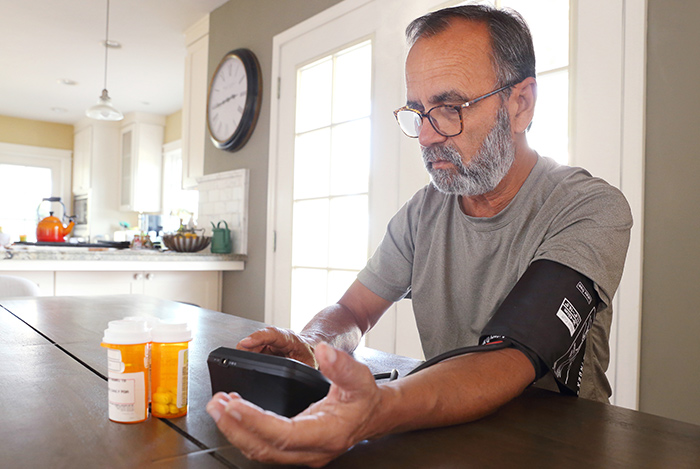
Fewer than 1 in 4 adults have their blood pressure under control.
FAQs
In many cases, yes. Risk can be reduced through a healthier diet, lower sodium intake, regular physical activity, maintaining a healthy weight, and avoiding alcohol and tobacco.
Foods that are low in sodium and rich in potassium can improve blood pressure. These may include fruits, vegetables, beans, pulses and other minimally processed whole foods. Potassium-enriched salt may also help in place of regular salt, where appropriate.
Risk increases with age, family history, excess weight, high-sodium intake, low physical activity, alcohol use, and certain health conditions.
Stress can cause temporary increases in blood pressure and may also contribute to longer-term risk through its effects on behaviours such as diet, sleep, alcohol use and a sedentary lifestyle.
High blood pressure is diagnosed by measuring blood pressure with a validated monitor, usually on more than one occasion. A doctor or other healthcare professional may diagnose hypertension after repeated high readings taken in a clinic, community setting or at home.
This depends on your age, health and risk factors. Many adults benefit from regular blood pressure checks at least once per year, and more regularly when they are older, have a family history of the condition, or have previously had a high reading. A healthcare professional should measure your blood pressure at each visit, and can advise what is right for you.
Uncontrolled high blood pressure can damage the heart, brain, kidneys and blood vessels over time. It increases the risk of heart attack, stroke, dementia, kidney disease, heart failure and other serious complications.
Blood pressure can be brought back into a healthier range through lifestyle changes and pharmacological treatment. For many people, controlling high blood pressure is an ongoing process that requires regular monitoring and long-term management.
References
1. Mills KT, et al. The global epidemiology of hypertension. Nat. Rev. Nephrol. 2020. DOI:10.1038/s41581-019-0244-2
2. Huang L, et al. The effects on global health outcomes of switching from regular salt to potassium-enriched salt: a modelling study. MedRxiv. 2026. DOI:10.64898/2026.04.06.26350270
3. Huang L, et al. The effects on global health outcomes of switching from regular salt to potassium-enriched salt: a modelling study. MedRxiv. 2026. DOI:10.64898/2026.04.06.26350270
4. Huang L, et al. The contribution of sodium reduction and potassium increase to the blood pressure lowering observed in the Salt Substitute and Stroke Study. J Hum Hypertens. 2024. DOI:10.1038/s41371-024-00896-4
5. World Health Organization. Sodium reduction. https://www.who.int/news-room/fact-sheets/detail/sodium-reduction (Accessed May 2026)