

Climate-resilient care where it’s needed most
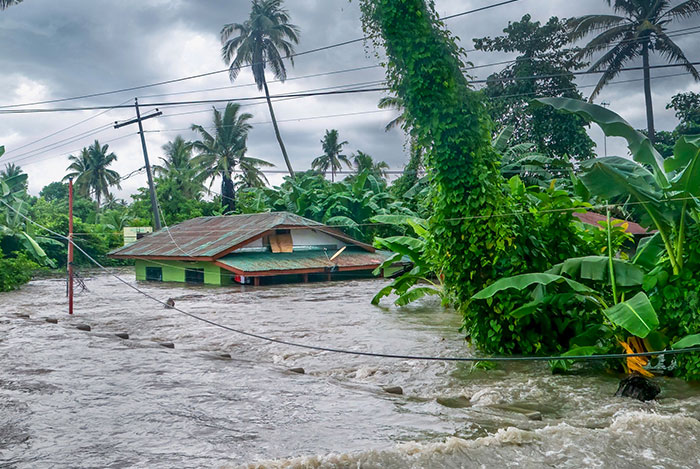
Climate change is one of the greatest threats to global health. Extreme weather events, rising temperatures and sea levels are worsening non-communicable diseases (NCDs), threatening food and water security, and cutting people off from healthcare when they need it most. Since the start of the 21st century, heat alone has killed around half a million people every year, on average.
But the climate crisis does not affect everyone equally. The risks are different if you are pregnant, manage a chronic condition, or live in a region vulnerable to climate change. Our research seeks to improve our understanding of these different risks. Working with communities, we develop practical solutions to protect people across some of the geographies most affected by climate change, including the Pacific region, Indian subcontinent, and beyond.
In doing so, we aim to help create a climate-resilient future where where health and wellbeing is prioritised and strengthened for generations to come.
Women and girls
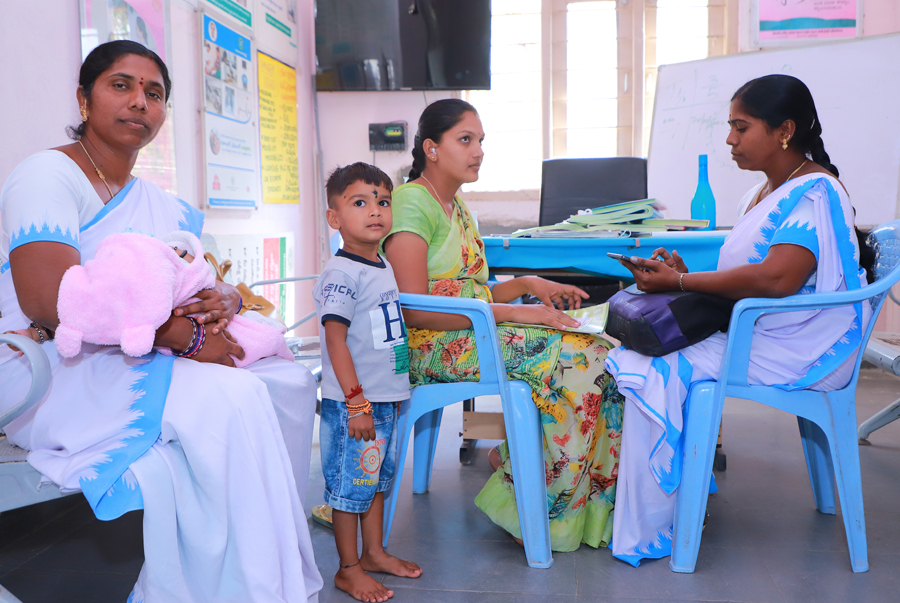
Women and girls face unique health risks amidst the climate crisis. Some, but not all of the risk is biological. Pregnancy reduces the body's ability to cope with high temperatures, and extreme heat exposure is linked to pregnancy complications. Research also suggests that women face a higher risk of death during heatwaves than men.
Their risk is also driven by gender inequalities. During climate emergencies, women have less access and control over income than men to pay for health services, as well as reduced access to health care information and education. Globally, more than a quarter of the 163 national climate adaptation plans we studied made no mention of women's health at all. Our research also shows that countries with greater gender inequality tend to be both more vulnerable to climate impacts and less prepared to adapt to them.
We’re calling for gender-responsive climate action that addresses women’s health across the life course.
Climate resilient prevention and care
Heat in Pregnancy – India follows 600 pregnant women across India to understand how heat exposure affects maternal health, foetal development and birth outcomes. The findings will shape practical strategies to protect mothers and babies as heatwaves grow even more frequent and intense.
Learn moreSMARThealth Pregnancy uses an app to screen for high blood pressure, gestational diabetes and anaemia in pregnant women, conditions that worsen with heat, and importantly, predispose women to NCDs later in life. Through community-led care, it is designed to strengthen health services and help them withstand climate disruptions in low-resource settings.
Learn moreWorking in extreme heat can double stillbirth and miscarriage risk.

People living with chronic conditions
Climate change accelerates the challenges we face from NCDs. Extreme heat strains the body’s organs, while drought and flooding impact the food supply, and consequently diets. Further, natural disasters interrupt lifesaving treatments, diagnoses and appointments central to NCD prevention and control.
There are 3.6 billion people living in areas highly susceptible to climate change, many of whom face compounding risks from NCDs. The Pacific Islands, for instance, include the top nine countries for adult obesity worldwide, along with an immense diabetes burden. At the same time, sea levels in the Western Pacific rise at nearly twice the global average, disrupting access to care, endangering food security, and forcing relocation.
While NCDs may continue to be left out of conversations around climate policy, the George Institute is working to correct this omission.
Climate resilient prevention and care
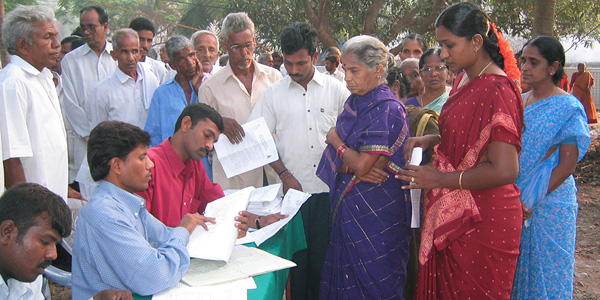
SMARThealth CLIMATE combines heatwave alerts, digital tools, training and education to support people living with NCDs. Co-designed with local communities and health workers, it aims to create a practical model for climate-resilient healthcare that can be scaled across India and other low- and middle-income countries.
Learn moreRESist-NCD involves working with governments and communities in Fiji, Papua New Guinea, the Philippines, Vietnam and Cambodia, to improve the prevention, detection and treatment of diabetes and high blood pressure. It aims to make care more accessible, affordable and resilient across the region.
Learn moreBy 2030, the direct health costs of climate change are projected to reach US$4bn.
The change we want to see
We're calling on governments and policy makers to:
- Integrate chronic diseases into climate and health planning by including noncommunicable diseases in vulnerability and risk assessments, health surveillance, early warning systems and adaptation plans.
- Build climate-resilient health systems by strengthening primary health care for chronic disease prevention and management, while ensuring climate action addresses women’s health needs throughout the life course.
- Accelerate climate action and inclusive solutions by reducing emissions to prevent climate-related health impacts and actively engaging women in the development of climate and health responses.
What will the impact be?
Healthcare systems designed and built to be resilient to climate change will mean that everyone can receive proper care during climate emergencies, especially those with chronic conditions who are most vulnerable. Communities will be strengthened and empowered to protect women and girls from climate-related health issues.
Invest in climate-resilient care
The George Institute is an independent research institute with deep operational roots across Asia, Europe and the Pacific, and a track record of turning research into policy at a national and global level. We’re bringing together evidence, primary care and community-led delivery to protect the most vulnerable from the health effects of climate change.
Do you want to be part of the solution? Support us to help deliver climate-resilient health care.

References
1. Zhao Q et al. Global, regional, and national burden of mortality associated with non-optimal ambient temperatures from 2000 to 2019: a three-stage modelling study. Lancet Planet Health. 2021. https://doi.org/10.1016/S2542-5196(21)00081-4
2. UNICEF. The Climate Crisis is a Child Rights Crisis: Introducing the Children’s Climate Risk Index. 2021. Accessed August 2026. https://www.unicef.org/media/105376/file/UNICEF-climate-crisis-child-rights-crisis.pdf
3. Rekha S et al. Heat stress and adverse pregnancy outcome: Prospective cohort study. BJOG. 2024. https://doi.org/10.1111/1471-0528.17680
4.Pinho-Gomes AC, et al. Sex differences in mortality associated with heatwaves: a systematic review and meta-analysis. Eur J Public Health. 2024. https://doi.org/10.1093/eurpub/ckae144.283
5. Pinho-Gomes AC, et al. Women’s health and wellbeing prioritisation in climate change national adaptation plans: A cross-sectional policy document analysis across 163 countries. Environ Int. 2025. https://doi.org/10.1016/j.envint.2025.109811
6. Pinho-Gomes AC & Woodward M. The association between gender equality and climate adaptation across the globe. BMC Public Health. 2024. https://doi.org/10.1186/s12889-024-18880-5
7. World Health Organization. Climate Change. 2023. Accessed August 2026. https://www.who.int/news-room/fact-sheets/detail/climate-change-and-health
8. Phelps NH et al. Worldwide trends in underweight and obesity from 1990 to 2022: a pooled analysis of 3663 population-representative studies with 222 million children, adolescents, and adults. The Lancet. 2024. https://doi.org/10.1016/S0140-6736(23)02750-2
9. World Health Organization. Strategic plan for the WHO Asia-Pacific Centre for Environment and Health (2025-2030). 2025. Accessed August 2026. https://www.who.int/westernpacific/publications/m/item/strategic-plan-for-the-who-asia-pacific-centre-for-environment-and-health-(2025-2030)