
SMARThealth CLIMATE
Project Status
ActiveStart Date
End Date
Project location
Background:
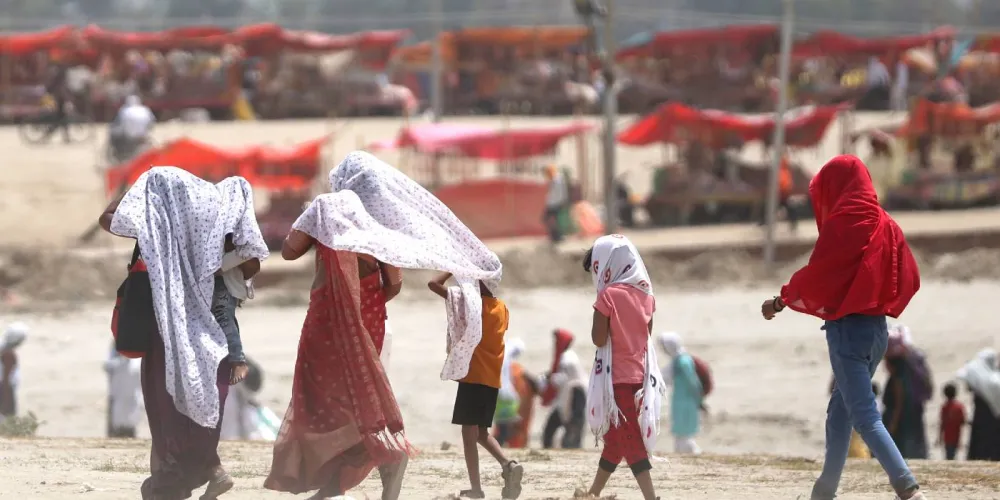
Extreme heat is an increasingly important public health challenge in India and other low- and middle-income countries (LMICs), where populations are exposed to high temperatures as part of daily life and work.
The health impacts of extreme heat are greater among individuals living with, or at risk of, non-communicable diseases (NCDs). Heat exacerbates these conditions through impaired temperature control, increased cardiovascular and metabolic strain, and a heightened risk of dehydration. High temperatures also impair blood sugar control, worsen renal function, and may reduce the effectiveness and tolerability of medications prescribed to manage NCDs.
NCDs are the leading cause of mortality, accounting for 74% of all deaths worldwide and approximately 65% of deaths in India, with the largest contributions from cardiovascular diseases, diabetes, chronic respiratory diseases, and cancer. Despite this evidence, many LMICs have limited capacity to integrate heat–health risk management into routine NCD care.
Aim:
SMARThealth CLIMATE aims to reduce heat-related illness and improve NCD outcomes during periods of extreme heat in rural India. The evidence generated will inform policy recommendations for a scalable model of climate-resilient primary healthcare that can be adopted across India and other LMICs.
Research Methodology:
The study will implement and evaluate SMARThealth CLIMATE, a co-designed primary healthcare intervention across 72 villages in two rural districts of Andhra Pradesh through a cluster randomised trial. The package brings together five interlinked components:
- A digitally-enabled clinical decision support system with an integrated heat vulnerability module
- A heat early warning system (linked to IMD) that sends tailored messages and alerts to high-risk individuals via WhatsApp and automated phone calls
- Strengthened primary health facility infrastructure including preparedness tools and clinical protocols for managing heat-related illness
- Structured training on NCDs and heat for frontline health workers including ASHAs, nurses, and doctors
- Sustained community engagement through village health committees and local outreach.
