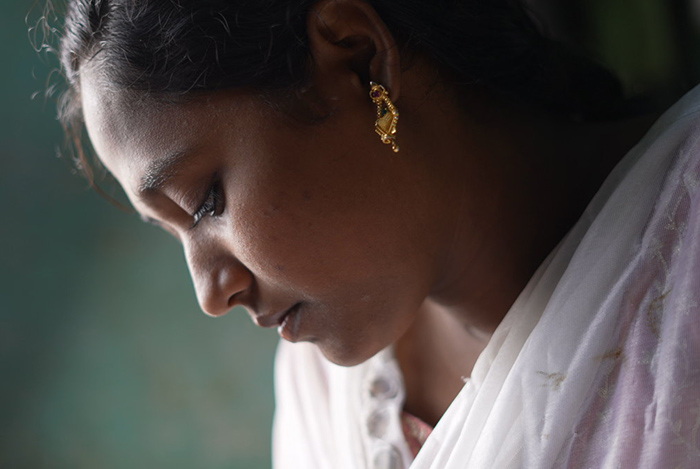
Sunaiyna's story
Family troubles leading to isolation
Warning: This story contains discussion of suicide, mental health and self-harm.
A difficult home life caused Sunaiyna to retreat from the world and stop looking after herself. Support from the ARTEMIS program for both Sunaiyna and her mother helped her to emerge from her depression.
Sunaiyna dropped out of school after her father left home and her parents got divorced. Even though the house was always full of people, she felt like no one really saw her. She stayed silent, kept to herself, and refused to go anywhere. She also stopped eating properly.
She wasn’t used to talking about her emotions and never shared anything with anyone. She cried a lot but was scared to tell anyone because she thought it would hurt them.
Someone to talk to
After Sunaiyna was enrolled in The George Institute’s ARTEMIS project (Adolescents’ Resilience and Treatment nEeds for Mental health in Indian Slums), a counsellor started visiting her. He asked questions no one had ever asked her before about how she was, what she felt, what she needed. He would listen, explain things gently, gradually building a connection.
He shared stories from his own family - someone who had gone through similar struggles but was doing fine now. He told her she would be okay too, and hearing that made her feel lighter. She never shared anything with anyone before, but with the counselling team, she did. Slowly, she started to feel better.
Please continue this program and share it with others. People like me, who don’t talk to anyone, will find someone friendly to talk to. Otherwise, people like me fall into depression. I want this program to continue.
By:Sunaiyna
ARTEMIS participant
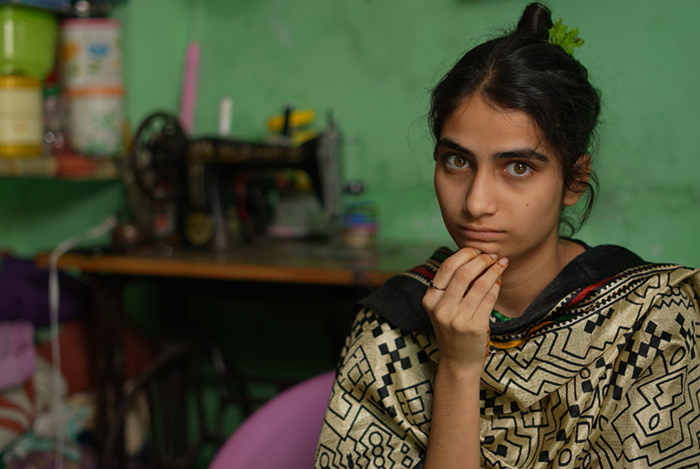
A mother’s concern
When the counsellors first started visiting the community, Sunaiyna’s mother didn’t know what to expect. They told her they were there to check on the children — how they were studying, whether they were feeling depressed, whether they were mixing with others, whether they were doing okay.
She was concerned that her daughter was very withdrawn, so she made sure that Sunaiyna spent time with the counsellors when they visited. After the counselling sessions, she started to see small changes. Sunaiyna began talking more. She started going out, meeting people, and listening when her mother spoke to her. While she still struggles sometimes, she’s not as closed off as she was before. She began opening up, little by little.
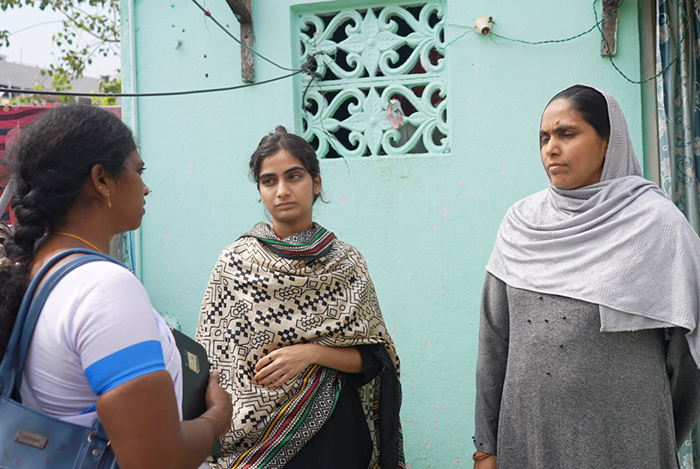
I’m grateful for this program. It has helped my daughter, and I know it can help many others too. Sometimes, that little bit of support is all it takes for a child to start finding their way again.
By:Mother of Sunaiyna
ARTEMIS participant
Depression and self-harm are a major cause of death and disability for adolescents in India, particularly in urban slums. Barriers to care include lack of awareness of mental health needs, stigma and insufficient healthcare staff. The George Institute’s ARTEMIS project (Adolescents’ Resilience and Treatment nEeds for Mental health in Indian Slums) aimed to support adolescent mental health in informal settlements. It explored whether community-based anti-stigma campaigns would improve behaviours towards adolescents with mental health disorders and used a community-based program to deliver technology-enabled mental health services to support mental health professionals.
Read our stories of impact and see how our work is making a difference to the health of people around the world.
Explore how our research is changing lives
Every day, our work is turning evidence into impact - in hospitals, homes and communities around the world - because everyone has the right to live a healthy life. See how in our multimedia Impact Report - dive in, engage and be inspired!