Bazidbee's story
Dark days and an uncertain future
Warning: This story contains discussion of suicide, mental health and self-harm.
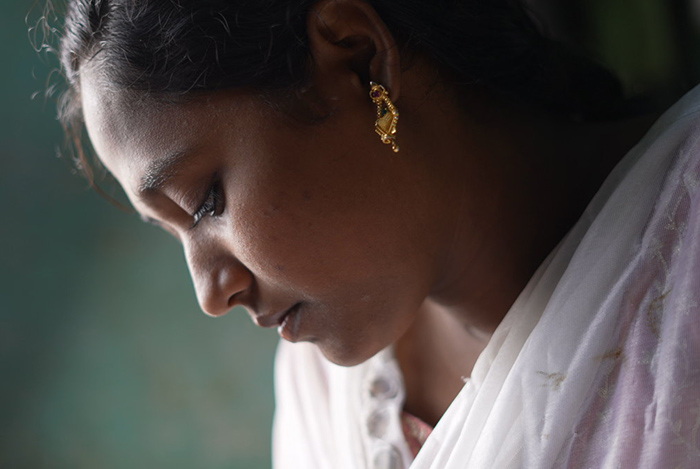
Conflict at home was making Bazidbee increasingly distressed. It was affecting her schoolwork and her behaviour towards others. By participating in the ARTEMIS program, she learned how to manage her emotions and support others in a similar situation.
Bazidbee, a tenth‑grade student living in an urban slum in Andhra Pradesh, Southern India, was struggling – she was quick‑tempered, dismissive of others, and often made fun of people without thinking about how deeply it might hurt them.
At home, things were no easier. Her parents’ arguments about money would erupt into shouting and sometimes even violence. The constant noise, tension, and being trapped in the middle made it impossible for her to focus on her studies.
There were days when she cried quietly, wishing she could stop the chaos. In her darkest moments, she even thought about taking tablets just to escape the pain. She never went through with it, but the thought alone frightened her.
They would shout all the time, 24/7. There was no happiness. That’s when I used to feel like dying.
By:Bazidbee
ARTEMIS participant
Turning a corner
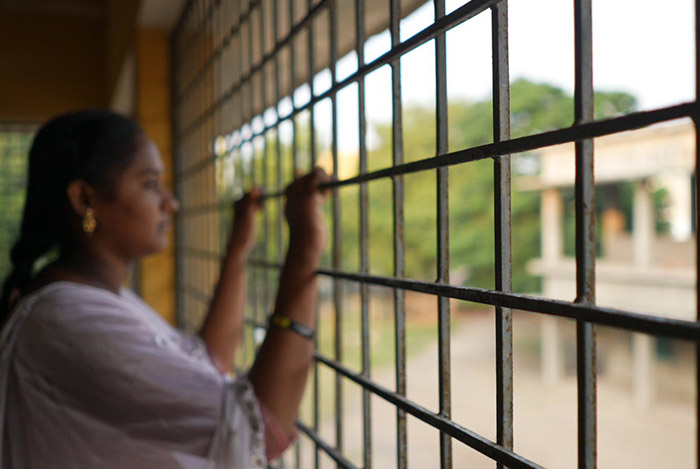
When Bazidbee was enrolled in The George Institute’s ARTEMIS project (Adolescents’ Resilience and Treatment nEeds for Mental health in Indian Slums), everything began to shift.
Finally someone asked her the right questions and for the first time she opened up about her home life. They explained to her mother privately how much the fighting was hurting her. Her mother listened, hugged her, and promised things would change. And slowly, they did.
Counsellors helped Bazidbee to see that keeping everything inside only made the burden heavier. They showed her videos that helped her understand how people transform when they’re treated with kindness. She began to see others differently and started noticing their feelings.
Specially designed games helped her open up even more with questions about emotions, like: Do you talk to someone when you’re sad? Is sharing your pain the right thing to do? Through these small, playful moments, she discovered that talking brings relief, and silence only deepens loneliness.
She also learned how to help others who were slipping into the same darkness she once felt. She began listening to their problems, helping them find small solutions, and encouraging them to speak to their parents when things felt unbearable.
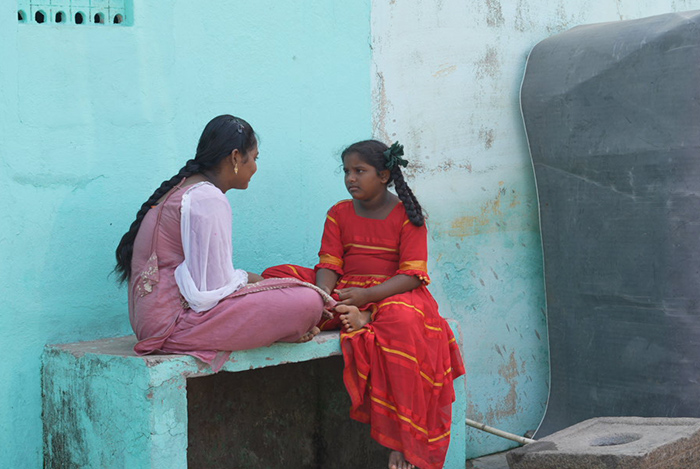
I used to make fun of others and never helped anyone because I was scared. Now I’m brave. If someone goes into depression, I know how to help them.
By:Bazidbee
ARTEMIS participant
A life transformed
Looking back, Bazidbee now sees how far she has come. Now her dream is to becoming a veterinary doctor because she loves animals deeply. It’s a dream that reflects the gentleness she has grown into — someone who wants to heal, protect, and give comfort where it’s needed most.
Today, she is stronger, kinder, and more courageous. And she is determined to lift up anyone who comes to her for help, just as others once lifted her.
I understood how many mistakes I made. Now I’m solving them one by one. I’m helping others who are like me.
By:Bazidbee
ARTEMIS participant
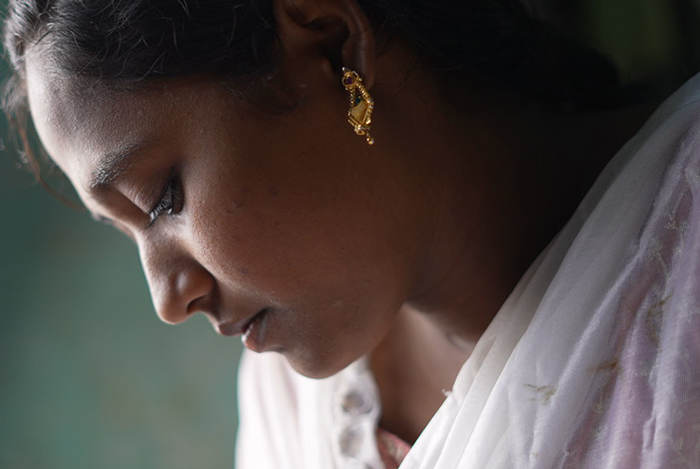
Depression and self-harm are a major cause of death and disability for adolescents in India, particularly in urban slums. Barriers to care include lack of awareness of mental health needs, stigma and insufficient healthcare staff. The George Institute’s ARTEMIS project (Adolescents’ Resilience and Treatment nEeds for Mental health in Indian Slums) aimed to support adolescent mental health in informal settlements. It explored whether community-based anti-stigma campaigns would improve behaviours towards adolescents with mental health disorders and used a community-based program to deliver technology-enabled mental health services to support mental health professionals.
Read our stories of impact and see how our work is making a difference to the health of people around the world.
Explore how our research is changing lives
Every day, our work is turning evidence into impact - in hospitals, homes and communities around the world - because everyone has the right to live a healthy life. See how in our multimedia Impact Report - dive in, engage and be inspired!