
Helping create healthier beginnings through Food is Medicine
Every parent hopes to give their baby the strongest possible start in life. But for many women, eating well during pregnancy isn’t simply a matter of making better choices – it can be difficult to consistently access and afford nutritious food.
With support from the Novo Nordisk Foundation, The George Institute for Global Health is testing whether providing healthy groceries as part of antenatal care can improve health outcomes for mothers and babies. By expanding an Australian-first clinical trial, Novo Nordisk Foundation is enabling researchers to generate the evidence needed to determine whether a Food is Medicine approach could become part of routine pregnancy care.
Nutritious food is one of the most powerful tools we have for preventing and managing cardiometabolic diseases such as gestational diabetes. This project will help generate vital knowledge that can inform future approaches to preventing these diseases, and improve health outcomes for mothers and children.
By:Marie-Louise Hartoft-Nielsen
Vice President, Clinical Medicine & Diabetes, Novo Nordisk Foundation
Making healthy eating possible
Good nutrition plays an important role during pregnancy, yet for many families it can be difficult to put into practice. Rising food costs and food insecurity mean that nutritious food is not always affordable or accessible, increasing the risk of complications such as gestational diabetes, which now affects more than one in six pregnancies in Australia.1
Food insecurity affected 13.2% of Australian households in 2023, highlighting the growing challenge many families face in accessing foods needed for good health.2
Access to nutritious food is just as important as knowing what foods to eat. This trial is testing whether removing barriers to healthy eating can improve outcomes for women and their babies.
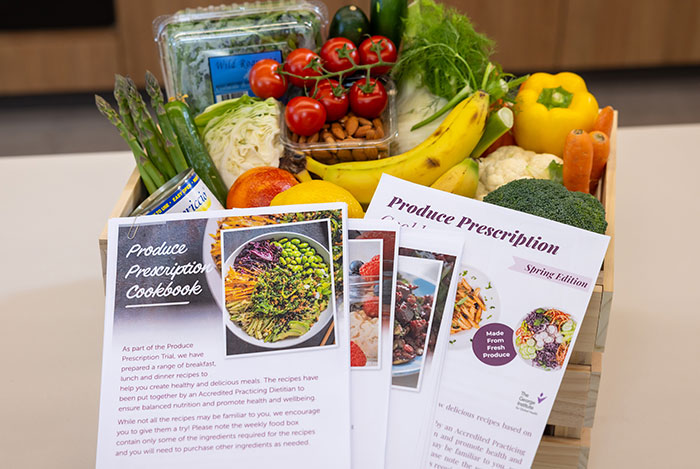
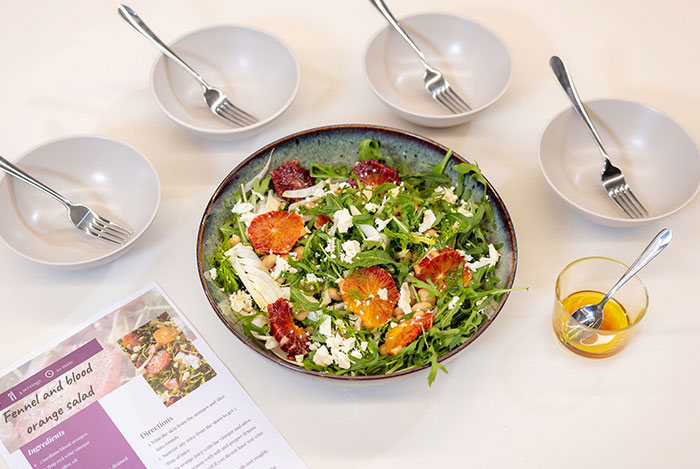
Through a Food is Medicine model known as Medically Tailored Groceries, pregnant women experiencing food insecurity who have, or are at high risk of, gestational diabetes receive weekly deliveries of nutritious groceries – including fresh fruit and vegetables, wholegrains, nuts and seeds – alongside support from an accredited practising dietitian. Rather than simply encouraging healthier eating, the program helps remove practical barriers that can make good nutrition more achievable during pregnancy.
Expanding the evidence
The George Institute has already established Australia’s first Medically tailored Groceries and Medically Tailored Meals pilots and is leading research into how Food is Medicine programs can improve health. Existing funding enabled the team to launch a randomised controlled trial (RCT) involving pregnant women experiencing food insecurity across public hospitals in Sydney.
Support from the Novo Nordisk Foundation is now enabling the study to expand from 316 to 750 participants, creating Australia’s first large-scale RCT of Medical Tailored Groceries during pregnancy and one of the largest Food is Medicine trials conducted during pregnancy globally.
Beyond increasing participant numbers, Novo Nordisk Foundation's support has enabled researchers to focus on clinically meaningful pregnancy outcomes, helping determine whether improving access to nutritious food can reduce serious complications for mothers and babies.
The expanded study will assess a range of clinically important outcomes, including gestational diabetes, hypertensive disorders of pregnancy, preterm birth and birth complications. The larger sample size will provide the statistical power needed to generate evidence that could inform future clinical guidelines and healthcare policy.
Food insecurity is an important but often overlooked driver of poor health. With support from the Novo Nordisk Foundation, we are generating the high-quality evidence needed to determine whether Food is Medicine programs can become part of routine antenatal care and help create healthier futures for families.
By:Professor Jason Wu
Program Head, Nutrition Science
1. Australian Institute of Health and Welfare. Diabetes: Australian facts, December 2023. https://www.aihw.gov.au/reports/diabetes/diabetes/contents/how-common-is-diabetes/gestational-diabetes.
2. Australian Bureau of Statistics. (2023). Food insecurity. https://www.abs.gov.au/statistics/health/food-and-nutrition/food-insecurity/latest-release
Creating healthier futures together
The Novo Nordisk Foundation’s partnership with The George Institute reflects a shared commitment to improving health through prevention, innovation and research.
By supporting this project, Novo Nordisk Foundation is enabling the research needed to shape future models of maternity care – bringing Australia one step closer to a healthcare system where access to nutritious food is recognised as an important part of quality antenatal care.
Get in touch
If you or your organisation are interested in exploring the possibilities to make a real impact where it’s needed most, contact us or stay in touch via our e-news.
Do you believe in a better, healthier world for all, regardless of circumstance?
Here is your chance to make a difference.