
Urban SHADE: Strengthening health access and delivery for extreme weather
Project Status
ActiveStart Date
Project locations
Background
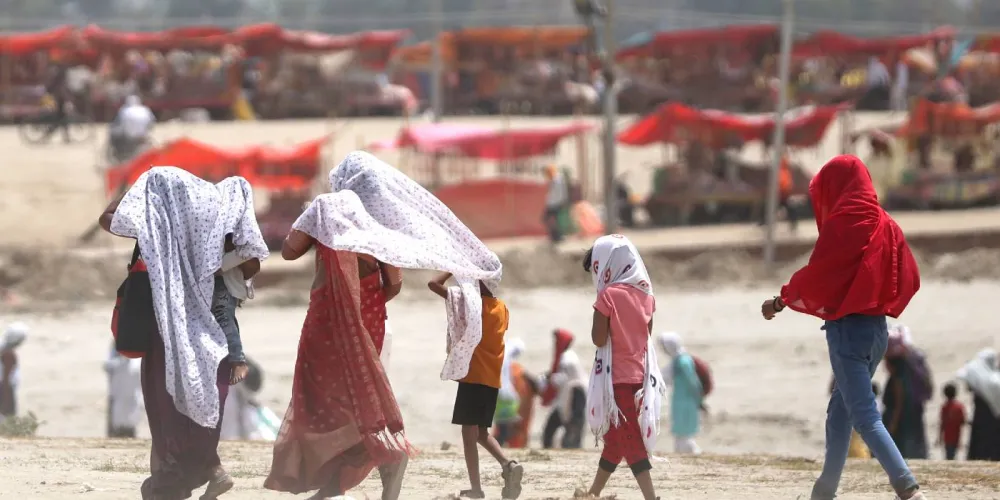
Climate change affects the most marginalised and poorest urban communities, particularly the billion people living in informal communities and at the peripheries of the cities. Flooding, storms, heatwaves, heavy rainfall and drought are increasingly common. Urban SHADE is working with governments and communities to improve the resilience of health services during and after extreme weather events.
Aims
- To retrospectively assess the health and social vulnerabilities and health service impacts of specific recent extreme weather events (specifically storms/flooding and extreme heat) for urban marginalised people.
- To assess the preparedness and capacities of health systems for health service delivery during and following extreme weather events based on existing frameworks, policies, tools and mechanisms.
- To work with communities, health system and governance actors to co-produce and implement a package of research-informed interventions to strengthen health service preparedness and delivery for urban marginalised people during and following extreme weather events.
- To assess and strengthen the capacities of researchers, community groups, health system and governance actors, and their relationships and processes for working together equitably to improve responsiveness of health services to the health consequences of extreme weather events.
- To collaboratively monitor and evaluate implementation of the intervention package (see 3) within and across city and country contexts for feasibility, fidelity, costs and enabling/constraining factors across diverse contexts.
- To promote uptake of project learning by health system actors, communities, other stakeholders and global health researchers.
Here is the link of the project website.
Research methodology
The Urban SHADE consortium works in India, Kenya and Sierra Leone. In India, Urban SHADE workers in five informal settlements (2 in Himachal Pradesh and 3 in Andhra Pradesh). The project uses Participatory Action Research Methodology and a mixed methods research design. The project was conceived with inputs and consultations with community members living in informal settlements and is being implemented with their support.
Current status
The project has completed data collection, intervention design and community consultations for the intervention. We are currently engaged in conducting stakeholder engagement with government officials to launch the pilot interventions.

