
IMPACT-FIM: Individual-participant Meta-analysis for Prevention and Cardiometabolic Treatment through Food is Medicine
Project Status
ActiveStart Date
Project location
Background
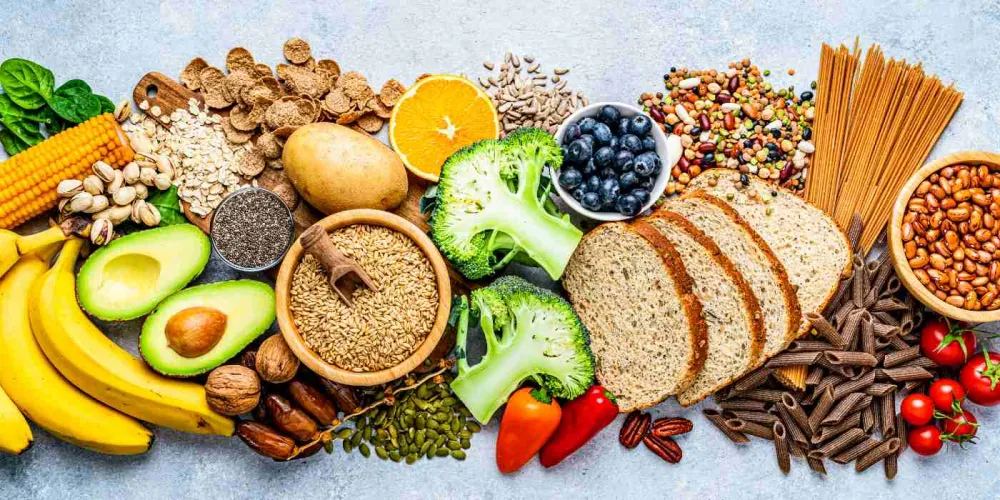
Poor diet drives an estimated 11 million premature deaths globally each year, underscoring the need for better access to nutritious food to prevent and manage chronic disease.
Food is Medicine (FIM) programs integrate healthy food into healthcare through approaches such as medically tailored meals, groceries, and produce prescriptions. In the United States, these programs could benefit more than 14 million people and potentially prevent 1.6 million hospitalisations annually while saving US$13.6 billion in healthcare costs.
While FIM programs show promise across many diet‑related conditions, their design and impact vary widely. IMPACT‑FIM brings together international trial data to identify which approaches work best, for whom, and under what conditions.
Aim
IMPACT‑FIM brings together data from Food is Medicine (FIM) trials worldwide to strengthen the global evidence base for these rapidly expanding programs. By harmonising and pooling data from large trials across diverse regions and populations, the project generates robust, comparable evidence on how different FIM models are designed, delivered, and scaled.
Using individual participant data meta‑analysis, IMPACT‑FIM examines the effects of FIM programs on key outcomes, including cardiovascular events, clinical risk factors, diet quality, and food security. This approach enables us to move beyond whether FIM works to identify which program features are most effective, for whom, and under what conditions.
By building a global network of researchers, healthcare partners, and policymakers, IMPACT‑FIM aims to directly inform policy decisions, clinical guidance, and implementation strategies. The findings will support the design and scale‑up of effective, equitable Food is Medicine policies and programs worldwide.
Research Methodology
To deliver this work, trial teams from around the world will be invited to join the IMPACT‑FIM international consortium (Scientific Committee). Consortium members participate in a coordinated research process that includes refining shared research questions, aligning analytical plans, and contributing to pooled analyses and publications.
Members of the Scientific Committee work closely with the IMPACT‑FIM Lead Researchers to harmonise key variables, intervention characteristics, and outcome measures across trials. This includes structured mapping of study designs, populations, intervention components, and follow‑up periods to enable consistent and comparable analyses across diverse Food is Medicine models.
Using a pre‑specified and standardised analytical protocol, each trial team re‑analyses their own study data locally. Teams then submit summary‑level results (rather than individual‑level data) to The George Institute for Global Health for inclusion in pooled meta‑analyses, ensuring data security and participant privacy are maintained throughout the project. New trials will be identified and lead investigators invited to join the Scientific Committee as data become available.
In parallel, IMPACT‑FIM convenes regular global meetings of an Advisory Board, comprised of researchers, implementation partners, and stakeholders to support coordination, troubleshoot methodological challenges, and guide future analyses. These activities will take place over the life of the project.
Together, this approach establishes an ongoing, global research platform that supports high‑quality, comparable evaluation of Food is Medicine interventions across regions, health systems, and populations.
Current status
Data harmonisation: the Scientific Committee are currently working with the lead researchers to align and standardise the key measures and outcomes from trials.


