
Turning the tide on drowning
Where there’s water there’s risk
Drowning is one of the world’s biggest health challenges claiming around 300,000 lives each year. Over two-thirds of deaths occur in Southeast Asia and the Western Pacific region. As the climate changes, extreme weather events are on the rise and drowning accounts for three-quarters of all deaths in flood disasters.
Turning the tide on the drowning epidemic requires urgent action. But the right action requires accurate data – our comprehensive survey across vulnerable communities in coastal wetland regions of India has revealed that the burden is three times higher than previous estimates, and its hitting the young hardest.
If we trained 17 years ago, then I could have saved my own child.
By:Mangala
Mother who lost her child through drowning
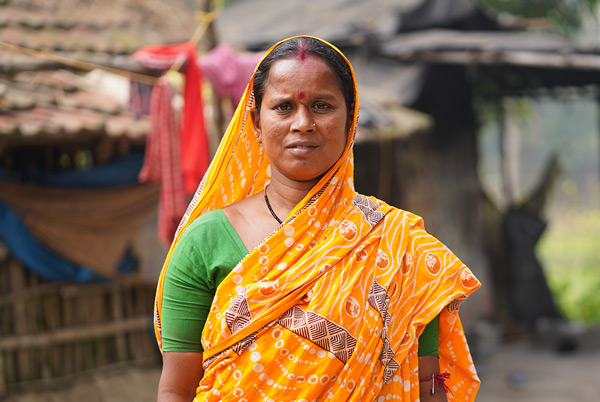
The drowning trap: children and vulnerable communities
Drowning is sometimes referred to as a silent epidemic - unseen, unheard and unaccounted for. The true toll is unknown, with many deaths unreported and many are preventable.
The burden is unequal, with 92% of deaths occurring in low- and middle-income countries and in rural and remote communities. Those experiencing poverty are at greatest risk as they often use open water such as ponds, rivers or lakes for washing and collecting water, and for income through fishing and farming.
Our survey of 18 million people in West Bengal between March and December 2024, funded by Bloomberg Philanthropies, uncovered a crisis hiding in plain sight: 25 people drown in the state every day.
Young people are most affected. It is one of the leading causes of death for children aged under 14 with those under 5 accounting for nearly a quarter of all deaths. In West Bengal, 12 children under 10 years of age drown each day. They are at particular risk due to poor infrastructure, rurality, flood risk, the presence of open water, a lack of safety awareness and patchy health systems.
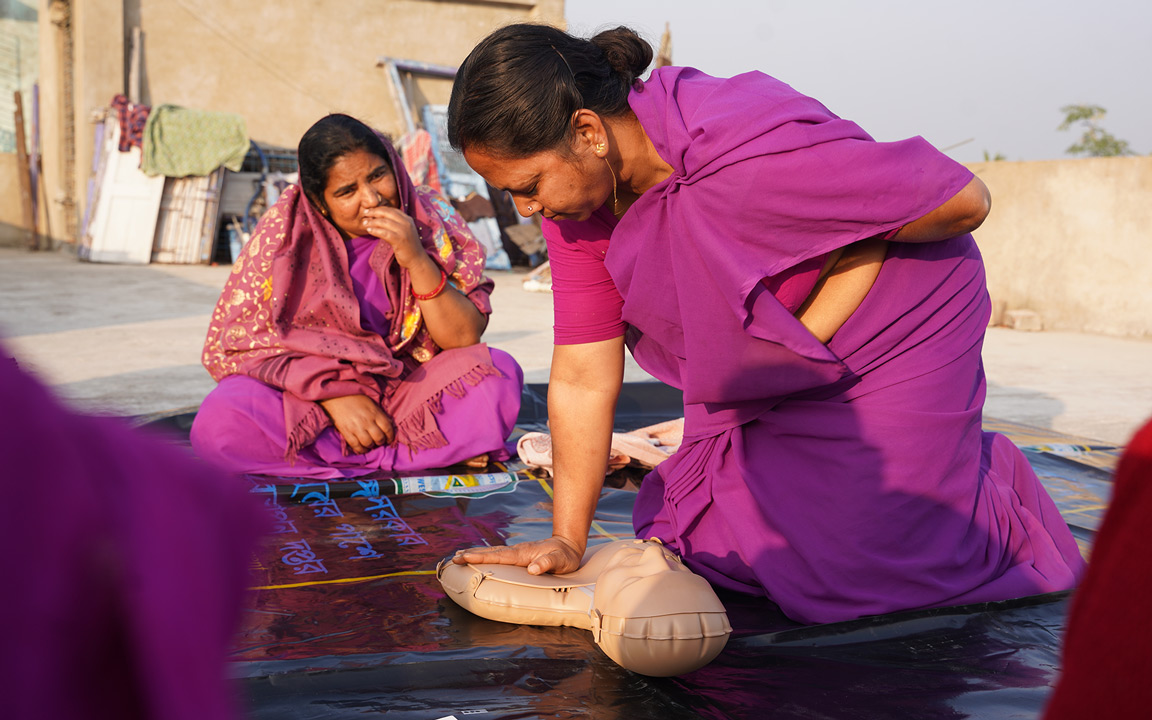
Community sessions teaching CPR training and rescue techniques.
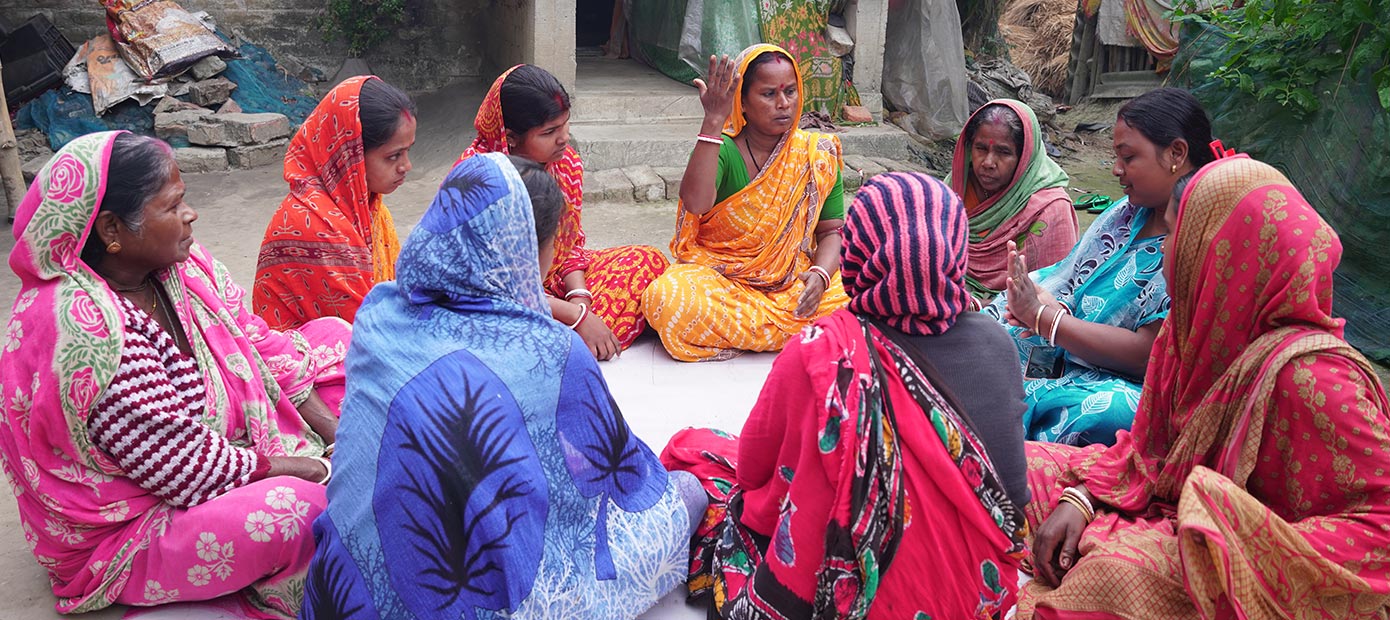
Mangala participating in a self-help group, discussig strategies to improve community awareness around drowning prevention.
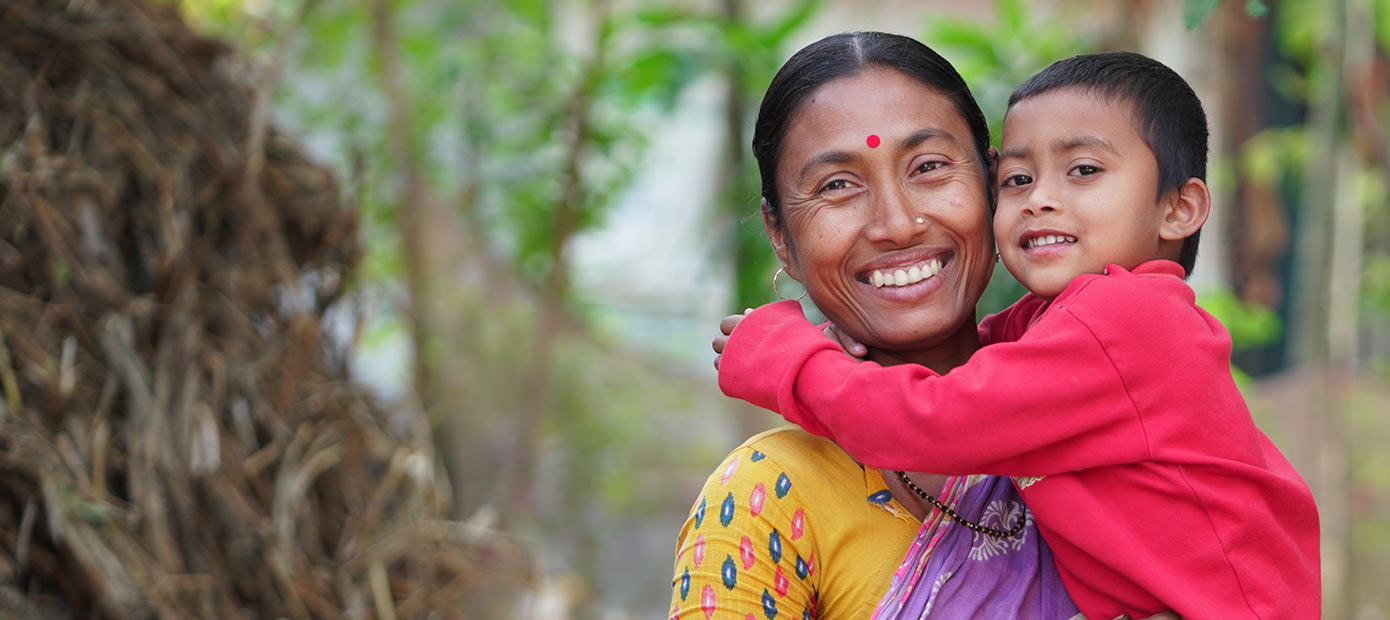
Almost a quarter of all drowning deaths can be prevented by protecting children under 5 years of age
Working with evidence and communities to turn the tide
While our reach is global, our presence remains local, ensuring we understand the needs of our communities and that our work focuses on what matters most to them. We’re working to address the epidemic of drowning by: highlighting the burden, ensuring deaths are reported, giving a voice to those most impacted, and finding innovative, evidence-based, practical solutions.
In Kerala and the Sundarbans, our evidence shows the potential impact of daycare centres, or KAVACH (‘armour’ in Hindi), established with child health and education NGO, CINI (Child in Need India). 90% of children aged 1-4 years drown in water within 50 metres of their home while parents juggle work with carer responsibilities. KAVACH are safe places where they can leave children aged 1-5 during the day to be supervised and taught water safety skills. Local women run these centres, some motivated by a personal connection to childhood drowning.
We’re also working with the community to install fencing around water near homes and introducing pond-based swimming pools. This controls access to water and offers a safe space to interact with it. Our SwimSafe initiative in West Bengal and Kerala engages community-based instructors to teach children to swim and adults rescue and resuscitation skills.
We also collaborate with CINI to host ‘Child Parliaments,’ amplifying youth voices and stories to influence and inform decision-making and action. This combines our strong partnerships on the ground with our influence on the global health stage to drive real change.
How our work is making a difference
Preventing children from drowning takes an understanding of the burden, evidence on solutions that work, and collective action, starting with community voices backed by financial and political commitment locally and nationally.
With the right policies, training, and community involvement, lives can be saved and a safer future created for people in vulnerable geographies. These aren’t just programs – they are acts of equity and survival.
Anyone can drown. No one should. We’re working to make that a reality.
We now understand the dangers of climate change, the importance of child safety, and the steps we need to take to protect our future. We are no longer just witnesses to these tragedies—we are working to prevent them.
By:Promita
Member of our Child Parliaments
Interested in learning more about our on the ground work with local communities facing challenges like childhood drowning?

Do you believe in a better, healthier world for all, regardless of circumstance?
Here is your chance to make a difference.