
Nearly three quarters of US baby foods are ultra-processed, new study finds
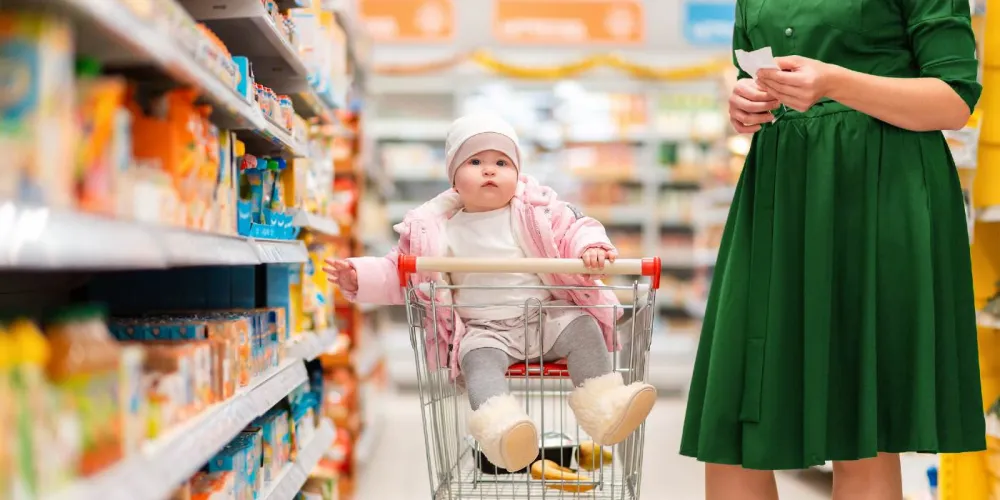
Additives the most common type of ingredient found in baby food products
An alarming 71 percent of grocery store baby food products in the United States are classified as ultra-processed foods (UPFs), according to new research published today in the scientific journal Nutrients.1
Researchers at The George Institute for Global Health analyzed data on 651 products from the Institute’s FoodSwitch database, which includes infant and toddler food products sold in the top ten US grocery store chains. The products were assessed using the well-established NOVA classification system.
UPFs are defined as industrially made products created from highly processed ingredients and additives.2 Such products tend to be cheap, convenient and hyper-palatable, but lack the nutrients of whole foods and less processed products.
Researchers said the results represent a worrying trend.
Infancy is a critical time for shaping lifelong eating habits - introducing babies to foods that are overly sweet, salty and packed with additives can set the stage for unhealthy preferences that last beyond childhood. We also know that high UPF consumption in children is linked to heart and metabolic conditions later in life, so it’s best to try and avoid introducing them in the first place.
By:Dr Elizabeth Dunford
Research Fellow at The George Institute, and Adjunct Assistant Professor, Department of Nutrition at the University of North Carolina
Additives were the most common ingredient type used in baby foods, found in 71 percent of all products. Flavor enhancers (found in 36 percent of all food products), thickeners (29 percent), emulsifiers (19 percent) and colors (19 percent) were the most commonly used additive classes, with over 105 unique additive ingredients identified in the dataset.
We’re seeing a growing body of evidence that certain additives may harm health. With emulsifiers, thickeners and stabilizers potentially altering gut function, and synthetic colors affecting behavioural outcomes in children, the high use of cosmetic additives found in US baby foods is particularly concerning.
By:Dr Dunford
UPFs contained twice as much sugar as their non-UPF equivalents (14.0g vs 7.3g per 100g), and added sugars were found only in ultra-processed products. The difference in sugar content was greatest for snack and finger foods, with ultra-processed products containing 2.5 times more sugar than their non-UPF counterparts (14.4g vs 5.6g per 100g).
Sodium content was consistently higher among UPFs than non-UPFs (70mg vs 41mg / 100g). UPFs were also typically more calorie dense, in part due to the use of added sugars as well as refined ingredients, which lack essential nutrients like fiber.
Nearly all snack-size packaged products (94 percent) were ultra-processed, with full-size packages (86 percent) and pouches (73 percent) following close behind. With US consumers increasingly shifting towards more convenient infant and toddler foods, sales of pouches have grown nearly 900% since 2010.3
The baby food aisle is increasingly dominated by ultra-processed products that prioritise convenience over nutrition. While pouches and snacks may seem practical, they are often the most processed and least healthy options.
By:Dr Dunford
The Trump administration recently released updated dietary guidelines for Americans,4 including recommendations to avoid highly processed foods for the first time, along with advice to limit added sugars and refined carbohydrates.
Clearer labelling and specific regulation for baby foods are urgently needed to help parents make more informed choices. Until then, checking the ingredients list is one of the best ways to spot the highly processed options – if you see an ingredient you don’t recognize, then it’s probably best to put it back on the shelf.
By:Dr Dunford
Previous research by The George Institute revealed that two thirds of baby foods on US grocery store shelves are unhealthy according to World Health Organization guidelines, and 19 percent contain synthetic dyes.3,5
References
1. Dunford EK et al. Tiny Tummies, Big Questions: Unpacking Ultra-processed Ingredients and Additives in Complementary Foods in the United States. Nutrients 2026. https://doi.org/10.3390/nu18040584
2. Monteiro CA et al. Ultra-processed foods: what they are and how to identify them. Public Health Nutr. 2019. https://doi.org/10.1017/s1368980018003762
3. Coyle DH et al. An evaluation of the nutritional and promotional profile of commercial foods for infants and toddlers in the United States. Nutrients. 2024. https://doi.org/10.3390/nu16162782
4. U.S. Department of Health and Human Services. Fact Sheet: Trump Administration Resets U.S. Nutrition Policy, Puts Real Food Back at the Center of Health. Accessed January 2026. Available at https://www.hhs.gov/press-room/fact-sheet-historic-reset-federal-nutrition-policy.html
5. Dunford EK et al. All the colors of the rainbow: Synthetic dyes in US packaged foods and beverages in 2020. J Acad Nutr Diet. 2025. https://doi.org/10.1016/j.jand.2025.05.007
Stay connected and updated
Subscribe to our mailing list for the latest news, events, and updates in health research.

