
Kidneys as sentinels of environmental change

Monitoring Kidney Health to Understand the Human Impact of a Changing Planet.
This blog was originally published on substack Renal Rounds Website and is reproduced here with due permissions.
In the face of accelerating global environmental change - whether due to rising temperatures, air pollution, biodiversity loss, salinization of freshwater or massive changes in our food systems - the need to understand how these forces impact human health is more critical than ever. One often overlooked but likely informative lens for assessing these impacts is kidney health.
The special properties of the kidneys (detoxification, fluid and electrolyte balance, and blood pressure regulation, amongst others), their metabolic activity and rich vascularity make them so important as homeostatic organs but also increases their vulnerability to a range of insults including the ones that environmental change is throwing our way on a daily basis. This makes them sentinels of population-level exposure to environmental hazards.
The kidneys are highly resilient, and respond almost in real-time to the challenges that nature throws its way by altering several dimensions of its physiology to ensure the human health stays in balance. Because many renal markers respond early to such insults, routine kidney surveillance can double up as a sensitive “biosensor” for population-level environmental risk. Monitoring these subtle changes, therefore, offers a tool to understand and track the health consequences of global environmental change.
Environmental Stressors and Kidney Health
Damage to the kidneys, whether as a result of environmental insults or other stresses often progresses silently, but can lead to irreversible consequences like chronic kidney disease (CKD), kidney failure, cardiovascular disease, and even premature death. Let’s look at how key environmental drivers of global change affect the kidneys and why monitoring kidney health can offer insight into broader human health impacts.
Heat Stress and Dehydration
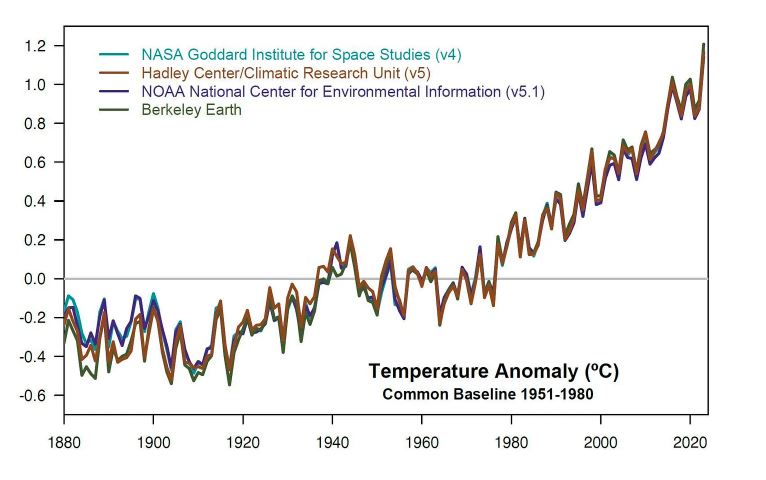
The most obvious and impactful manifestation of climate change is the relentless rise in global temperatures and more frequent extreme heat events. Prolonged exposure to heat coupled with restricted access to drinking water, particularly among outdoor workers and people in low-resource settings, can result in recurrent dehydration, which places immense strain on the kidneys. Recurrent episodes of volume loss can lead to subclinical acute kidney injury, which may evolve into CKD over time—a phenomenon implicated in the development of CKD amongst young agricultural workers in Central America, a condition dubbed “Mesoamerican nephropathy” and elsewhere in the world with emerging CKD hotspots.
Monitoring Implication: Tracking the filtration function of the kidney by measuring serum creatinine, and urine concentration markers in vulnerable populations can help identify early stages of heat-stress nephropathy.
Air Pollution
Airborne particulate matter (especially PM2.5) and wildfire smoke, nitrogen dioxide, and other air pollutants have been associated with systemic inflammation, oxidative stress, and vascular dysfunction—all of which can compromise kidney function. Nano-sized particles are filtered by glomeruli, and produce pro-oxidant load in tubules. Studies have linked chronic exposure to poor air quality with increased risk of CKD and certain glomerular diseases, and faster progression in those already affected.
Monitoring Implication: Longitudinal kidney function data, particularly in urban and industrial zones, can provide evidence of the cumulative toll of polluted air on population health.
Pesticide and Heavy Metal Exposure
Agricultural chemicals and industrial pollutants, including pesticides, and heavy metals (e.g. arsenic, cadmium, silica and lead), are nephrotoxic. Long-term exposure, even at low levels, can contribute to chronic tubulointerstitial damage. Many communities are exposed through contaminated water, soil, or food without realizing the silent damage occurring, and these exposures have been implicated in the development of CKD of unknown etiology in agricultural communities, especially in Sri Lanka and India.
Monitoring Implication: Renal biomarkers such as tubular injury markers (e.g., NGAL, KIM-1), albuminuria, and electrolyte imbalances can help map environmental toxic exposure patterns.
Rising Water Salinity
In coastal regions affected by sea-level rise, over-extraction, or saltwater intrusion, drinking water sources are becoming increasingly saline. High sodium intake and water with elevated mineral content have been associated with higher rates of hypertension (including pre-eclampsia), proteinuria, and kidney damage in costal communities of Bangladesh.
Monitoring Implication: Community-based screening for hypertension, microalbuminuria, and blood pressure variability can offer early warnings about health risks associated with changing water quality.
Changing Biodiversity and Emerging Infectious Diseases
Biodiversity loss increases the risk of zoonotic diseases, while altered ecosystems can affect local food availability and quality. The resulting malnutrition, infections, or exposure to novel pathogens may place indirect stress on the kidneys through inflammation, sepsis, or the use of nephrotoxic medications. The impact of these changes is most pronounced in the tropical regions of the world, where climatic conditions are ideal for the spread of infectious diseases, but the zone of vulnerability is rapidly expanding because of environmental change. In particular, more and more parts of the world are becoming hospitable to disease-causing organisms, parasites, and vectors.
Monitoring Implication: Surveillance systems that integrate infectious disease data with renal injury markers can better elucidate how ecological disruptions are translating into kidney-related morbidity.
Climate-Driven Food System Transformations
Environmental change disrupts food production. Rising atmospheric CO₂ stimulates grain production but reduces protein and mineral content in cereals. Heat stress and drought cause significant yield losses while altering nutritional profiles.
Sea level rise contaminates agricultural soils with salt, making water and nutrient uptake difficult for salt-sensitive plants like rice. Farmers are forced to grow more salt-tolerant but less nutritious varieties. Finally, environmental pressures drive populations toward ultra-processed foods, creating a dangerous cycle for kidney health through obesity and metabolic syndrome. Each additional serving of ultra-processed foods raises CKD risk by 5%.
Monitoring Implications: Development of integrated monitoring of dietary shifts, nutritional biomarkers, and kidney function at both population and individual levels.
Toward a Kidney-Centered Environmental Health Surveillance Strategy
Given the silent nature of early kidney damage, proactive monitoring is essential. By incorporating simple renal health metrics (Serum creatinine, Urinalysis) into environmental surveillance systems, we can:
- Detect early subclinical damage from environmental exposures.
- Quantify population vulnerability and guide targeted interventions.
- Generate evidence for policy and regulatory frameworks to limit harmful exposures.
- Link ecological data (e.g., heat indices, pollution levels, salinity maps) with human health outcomes in real-time.
There is a lot we do not know yet. Research needs to focus on a range of topics that help us better understand the environment change kidney health access thereby broadening our ability to monitor and positively influence overall human health. Academic community, research funders, public health professionals, and policy makers should turn their attention towards -
- Longitudinal cohort studies linking exposure data (heat, air quality, water salinity, pesticide residues, heavy metals) to renal biomarkers.
- Geospatial mapping of CKD hotspots and correlation with environmental risk factors.
- Identify who is most at risk of developing kidney disease and why.
- Analysis of how climate change disproportionately affects low-income and marginalized populations with limited healthcare access.
- The social, occupational, and gender disparities in exposure and kidney disease outcomes.
- Inclusion of subclinical markers (e.g., microalbuminuria, KIM-1, NGAL, others) for early detection, including biomarkers that reflect specific types of exposures (e.g., heat-induced vs. toxin-induced damage) and validate them in resource-limited, field-based settings. In addition to clinical validation, this will require bringing the costs down and development of point-of-care tests and field-ready kits.
- Finding ways to translate biomarker surveillance into action - for example, changing biomarker levels in field workers can trigger shade-water-rest mandates before mass CKDu emerges; school-based screening in polluted towns can flag unsafe water/air long before overt CKD appears; development of stricter industrial discharge limits; identifying populations especially vulnerable to extreme weather events (e.g. the elderly, those with pre-existing CKD, CVD or respiratory disorders)
- Developing and testing adaptive behaviors, hydration practices, housing, and work conditions influencing health risk.
- Policy-oriented steps to be informed by research, including modification in working conditions, implementation of protective intervention, regulatory measures such as pesticide regulation, heatwave warnings.
- Robust integrated environment health surveillance systems that integrate environmental data with public health databases and use this information to develop early warning systems.
- Research on data governance and ethical use of such surveillance protocols.
This is an ambitious agenda. Such research will require trandisciplinary methodologies, breaking down silos and creating interdisciplinary consortia combining environmental scientists, health professionals, data scientists and social scientists, besides others. Ground research is also required on the lived experiences and knowledge of affected populations. Finally, it becomes critical to involve communities in defining priorities and co-designing interventions.
Conclusion
Monitoring kidney health is more than good nephrology : it's an early-detection system for environmental insults. In an era of unprecedented environmental change, kidneys may be the canaries in the coal mine of public health. They provide a measurable, responsive, and clinically significant window into how the environment is reshaping human biology. By monitoring kidney function and structure routinely, especially among vulnerable communities, we can transform silent suffering into visible evidence, driving stronger action to mitigate environmental health threats and promote resilience.
In short, understanding kidney health is not just about preventing disease - it's about understanding the health of the planet itself.
Vivekanand Jha’s research is funded by the NIHR (Global Health Research Centre for Non-communicable Diseases and Environmental Change) using UK international development funding from the UK Government to support global health research.
The views expressed in this publication are those of the author and not necessarily those of the NIHR or the UK government.
Stay connected and updated
Subscribe to our mailing list for the latest news, events, and updates in health research.

